

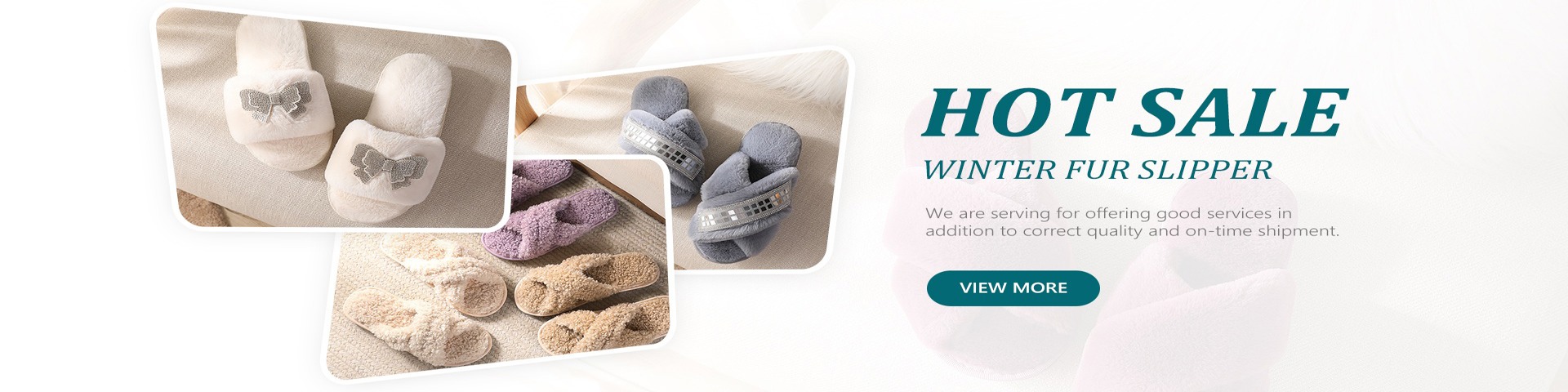
В современном мире индустрия гостеприимства сталкивается с множеством вызовов, одним из которых является баланс между обеспечением высокого уровня гигиены и минимизацией экологического следа. Одной из самых обсуждаемых практик в этой сфере стало однократное использование гостиничных тапок. С одной стороны, это воспринимается как необходимость для поддержания чистоты и здоровья гостей, с другой – как символ расточительства и негативного impact на окружающую среду. В данной статье мы подробно исследуем этот феномен, рассматривая его с различных углов: гигиенического, экономического, экологического и психологического. Мы проанализируем статистические данные, мнения экспертов и реальные кейсы, чтобы предложить взвешенный вывод и возможные альтернативы для отелей и потребителей.
Введение в тему
Гостиничные тапки – это неотъемлемая часть amenities многих отелей по всему миру. Они предлагаются гостям для комфорта и гигиены во время пребывания в номере. Однако в последние годы всё чаще поднимается вопрос о целесообразности их однократного использования. Многие отели практикуют предоставление новых тапок каждому гостю, даже если предыдущие использовались лишь несколько часов. Это приводит к огромному количеству waste, который в основном состоит из пластика, бумаги или других материалов, difficult to recycle.
Сторонники этой практики argue, что однократное использование тапок необходимо для предотвращения распространения инфекций и обеспечения feeling of cleanliness. В условиях пандемии COVID-19 этот аргумент стал ещё более актуальным. Гости ожидают максимальной стерильности, и отели стремятся meet these expectations to maintain their reputation and attract customers.
С другой стороны, критики указывают на экологические последствия. По данным организации Green Hotel Association, ежегодно отели worldwide производят миллионы пар тапок, большинство из которых ends up in landfills or oceans. Это contributes to plastic pollution, resource depletion, and climate change. Кроме того, с экономической точки зрения, производство и утилизация одноразовых тапок require significant financial resources, которые could be redirected to more sustainable practices.
В этой статье мы углубимся в детали этой дискуссии. Мы начнём с исторического обзора, чтобы понять, как практика использования гостиничных тапок evolved over time. Затем мы рассмотрим гигиенические аспекты, including scientific studies on pathogen transmission. Далее, мы проанализируем экономические implications для отелей и гостей, а также экологические effects. Мы also explore психологические факторы, such as guest perceptions and behaviors. В заключение, мы предложим recommendations для индустрии, включая инновационные решения и best practices.
Цель этой статьи – не просто present facts, но и stimulate critical thinking among readers. Whether you are a hotel manager, a traveler, or an environmental activist, this discussion is relevant to you. By the end, you will have a comprehensive understanding of the issue and be equipped to make informed decisions.
Исторический контекст: как тапки стали частью гостиничного сервиса
Практика предоставления тапок в отелях имеет deep roots in hospitality traditions. Initially, in ancient times, inns and lodgings offered basic amenities, but the concept of disposable slippers is relatively modern. It emerged in the mid-20th century with the rise of mass tourism and the emphasis on convenience and hygiene.
In the 1950s and 1960s, as air travel became more accessible, hotels began to standardize their services to cater to international guests. The introduction of disposable items, including slippers, was part of a broader trend towards sanitization and efficiency. For example, in Japan, the culture of removing shoes indoors made slippers a necessity, and hotels adopted this practice widely.
Over the decades, the materials used for hotel slippers have evolved. Early versions were often made of cloth or felt, which were reusable but required washing. With the advent of plastics and synthetic materials, disposable slippers became cheaper and easier to produce. This shift was driven by cost-saving measures and the desire to offer a perceived higher level of cleanliness.
However, the environmental movement of the 1970s and 1980s started to challenge such practices. Yet, it wasn't until the 21st century that sustainability became a major concern for the hospitality industry. Today, many hotels are reevaluating their use of disposable items, including slippers, in light of growing consumer awareness and regulatory pressures.
This historical perspective shows that the practice is not set in stone but is influenced by cultural, economic, and technological factors. Understanding this evolution helps us appreciate why change is possible and necessary.
Гигиенические аспекты: необходимость или излишество?
Гигиена является cornerstone of the argument for single-use hotel slippers. Proponents claim that shared or reused slippers could harbor bacteria, fungi, and viruses, posing a health risk to guests. But is this fear justified by science?
Studies on pathogen transmission through footwear are limited, but research on similar items like towels or bedding can provide insights. For instance, a study published in the Journal of Hospital Infection found that microorganisms can survive on surfaces for hours to days, depending on the material. Slippers, often made of absorbent materials, could potentially transmit infections if not properly cleaned.
However, the risk might be overstated. In most cases, slippers are used indoors on clean surfaces, reducing the likelihood of contamination. Moreover, hotels have protocols for cleaning reusable items, which, if followed rigorously, can eliminate risks. The COVID-19 pandemic heightened concerns, leading to increased use of disposables, but experts argue that proper hygiene practices are more effective than reliance on single-use products.
Additionally, the psychological aspect cannot be ignored. Guests often feel more comfortable with new, unused items, which enhances their overall experience. This perception of cleanliness is crucial for hotel ratings and reviews. Thus, even if the actual health risk is low, the perceived benefit drives the practice.
In conclusion, while hygiene is a valid concern, it may not necessitate single-use slippers in all cases. Alternatives like disinfectable reusable slippers or guest opt-in programs could strike a balance.
Экономический анализ: costs and benefits для отелей
From an economic perspective, the use of single-use slippers involves both direct and indirect costs for hotels. Direct costs include procurement, storage, and disposal expenses. Indirect costs might involve environmental fees or reputational damage if criticized for wastefulness.
On average, a pair of disposable slippers costs a hotel between $0.50 and $2.00, depending on quality and quantity purchased. For a medium-sized hotel with 100 rooms and an occupancy rate of 70%, this could amount to thousands of dollars annually. In contrast, reusable slippers have a higher upfront cost but can be used multiple times with proper cleaning, potentially saving money in the long run.
Moreover, guests are increasingly valuing sustainability, and hotels that adopt eco-friendly practices can attract a growing segment of environmentally conscious travelers. This can lead to increased bookings and positive publicity, offsetting any initial investments.
However, transitioning to reusables requires changes in operations, such as implementing cleaning protocols and training staff. There might also be resistance from guests accustomed to disposables. Thus, hotels need to carefully weigh the economic benefits against the costs and risks.
Overall, while single-use slippers seem inexpensive, their cumulative economic impact, including environmental externalities, suggests that alternatives could be more cost-effective and sustainable.
Экологические последствия: impact на планету
The environmental impact of single-use hotel slippers is significant and multifaceted. Most disposable slippers are made from non-biodegradable materials like plastic, polyester, or foam, which contribute to landfill waste and ocean pollution.
According to environmental organizations, the hospitality industry generates millions of tons of waste each year, with disposable amenities being a major contributor. For example, a report by the United Nations Environment Programme highlights that plastic waste from hotels is a growing concern, affecting marine life and ecosystems.
The production process also consumes resources such as water, energy, and raw materials, leading to carbon emissions and resource depletion. Even if slippers are made from recycled materials, the end-of-life disposal remains problematic, as recycling rates for such items are low due to contamination and lack of infrastructure.
Alternatives like biodegradable slippers exist, but they often come with their own challenges, such as higher costs or limited availability. Reusable slippers, if made from sustainable materials and properly maintained, offer a lower environmental footprint over their lifecycle.
Hotels can reduce their impact by adopting circular economy principles, such as offering slippers only upon request or implementing take-back programs for recycling. Consumer education is also key to changing behaviors and reducing waste.
In summary, the environmental argument against single-use slippers is strong, urging the industry to innovate and adopt more sustainable practices.
Психологические и социальные аспекты: perceptions гостей
Guest perceptions play a crucial role in the persistence of single-use slippers. Many travelers associate new, unused items with luxury, cleanliness, and care from the hotel. This psychological effect can enhance satisfaction and loyalty.
Surveys conducted among hotel guests show that a significant portion prefer disposable slippers for hygiene reasons, especially post-pandemic. However, there is a growing awareness of environmental issues, and some guests are willing to forego disposables if offered alternatives.
Social norms and cultural differences also influence behavior. In some cultures, like East Asia, slippers are deeply ingrained in daily life, and expectations for cleanliness are high. In others, guests might be more open to sustainable options.
Hotels can leverage this by communicating the benefits of reusable slippers, such as comfort, quality, and environmental stewardship. Testimonials and certifications can help build trust and shift perceptions.
Ultimately, changing guest behavior requires a combination of education, incentives, and seamless experiences. For instance, offering discounts for opting out of disposables or providing high-quality reusables can make sustainability attractive.
This psychological dimension underscores that the issue is not just about facts but about emotions and values, which must be addressed in any solution.
Альтернативы и инновации: пути forward
There are several alternatives to single-use hotel slippers that balance hygiene, economy, and ecology. One option is reusable slippers made from durable, easy-to-clean materials like cotton or bamboo. These can be sterilized between uses, reducing waste.
Another innovative approach is the use of slippers made from recycled or biodegradable materials. For example, some companies produce slippers from ocean plastic or plant-based fibers, which decompose more easily.
Hotels can also implement policy changes, such as providing slippers only upon request or offering guests the choice to bring their own. This reduces unnecessary consumption and empowers guests to make sustainable decisions.
Technology can aid in this transition. For instance, UV sterilization devices can ensure that reusable slippers are hygienic without excessive water or chemical use. Digital platforms can educate guests about the hotel's sustainability efforts and encourage participation.
Case studies from leading hotels show that these alternatives are feasible and well-received. For example, a chain in Europe reported a 30% reduction in waste after switching to request-based slipper distribution, with no negative impact on guest satisfaction.
By adopting these innovations, hotels can not only reduce their environmental impact but also differentiate themselves in a competitive market, appealing to the values of modern travelers.
Заключение: towards a balanced approach
In conclusion, the practice of single-use hotel slippers is a complex issue with valid arguments on both sides. Hygiene concerns are real but can be addressed with proper measures, while economic and environmental costs highlight the need for change.
A balanced approach is essential. Hotels should consider guest preferences, operational feasibility, and sustainability goals. Options like reusable slippers with rigorous cleaning protocols, biodegradable alternatives, or opt-in programs can provide a middle ground.
Ultimately, the hospitality industry must evolve towards greater responsibility, reducing waste without compromising on quality and safety. Consumers also have a role to play by making informed choices and supporting eco-friendly hotels.
This discussion is part of a larger movement towards sustainable tourism, where every small change counts. By rethinking practices like single-use slippers, we can contribute to a healthier planet while still enjoying the comforts of travel.
We encourage readers to share their thoughts and experiences, fostering a dialogue that drives positive change in the industry.