
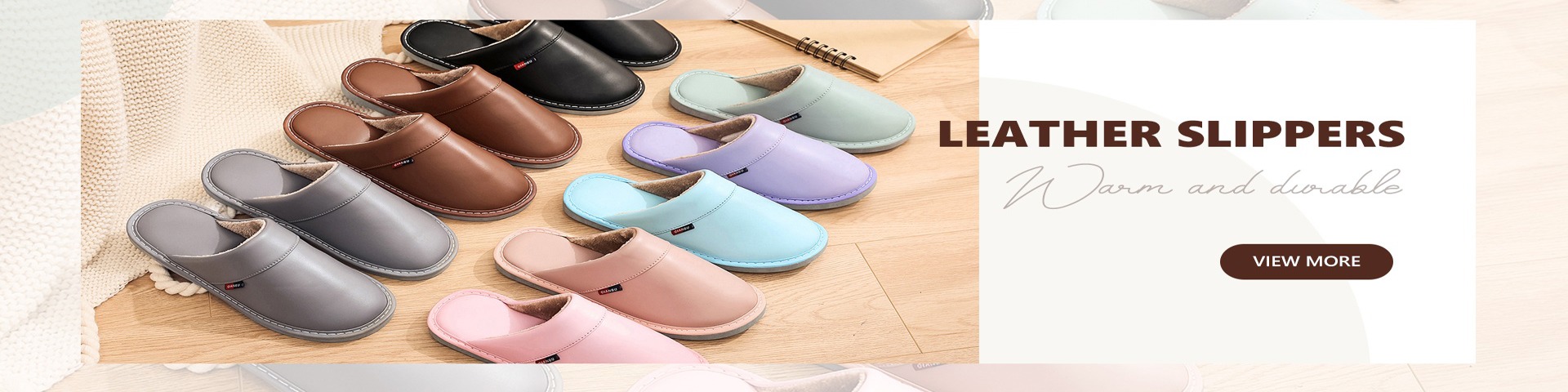
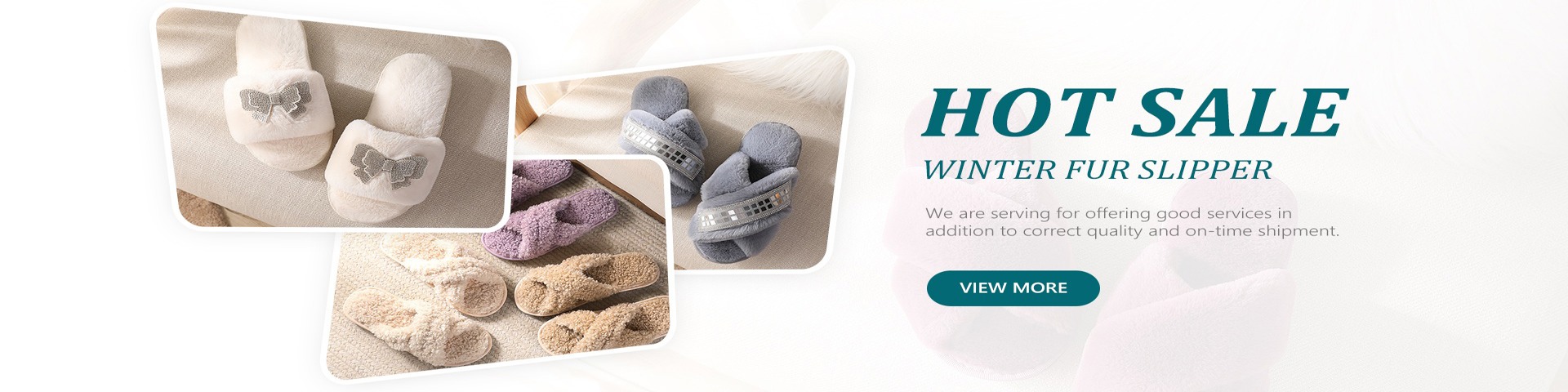
Добро пожаловать в увлекательное путешествие по миру гостеприимства, где каждая деталь, даже самая маленькая, играет ключевую роль в создании незабываемых впечатлений для путешественников. Сегодня мы поговорим о, казалось бы, простом, но невероятно значимом элементе отельного сервиса — теплых домашних тапочках. Почему они так важны? Как они влияют на восприятие гостя и успех отельного бизнеса? Давайте углубимся в эту тему, исследуя все аспекты, от истории и психологии до практических преимуществ и будущих трендов.
Исторический контекст: от древности к современности
Идея предоставления комфортной обуви гостям уходит корнями в глубокую древность. В культурах Востока, таких как Япония и Китай, традиция снимать уличную обувь при входе в дом существует тысячелетиями. Это не только гигиеническая мера, но и знак уважения к чистому пространству. В японских рёканах (традиционных гостиницах) гостям всегда предлагают тапочки, что символизирует заботу и гостеприимство. Эта практика постепенно распространилась по всему миру, адаптируясь к местным обычаям.
В Европе и России подобные традиции также имеют свои корни. В царской России, например, знатные дома часто предоставляли гостям мягкую обувь для внутренних помещений, чтобы сохранить чистоту полов и создать уютную атмосферу. С развитием индустрии гостеприимства в XX веке отели начали перенимать эти элементы, превращая их в стандарт сервиса. Сегодня теплые тапочки стали неотъемлемой частью многих отелей, особенно в холодных регионах, где комфорт и тепло ценятся особенно высоко.
Эволюция тапочек в отелях отражает общие тенденции в обществе: рост внимания к гигиене, увеличение мобильности людей и стремление к персонализированному обслуживанию. В 1970-х годах, с бумом массового туризма, отели начали стандартизировать свои услуги, включая предоставление базовых amenities, таких как мыло, шампунь и, конечно, тапочки. Сегодня, в эпоху цифровизации и повышенных ожиданий гостей, тапочки стали символом заботы и качества, а не просто функциональным предметом.
Психологические аспекты: почему тапочки так важны для гостей
Человеческая психология играет crucial роль в восприятии сервиса. Когда гость заходит в номер отеля после долгого пути, первое, что он ищет, — это ощущение дома вдали от дома. Теплые тапочки, ожидающие его у кровати или в шкафу, instantly создают чувство комфорта и безопасности. Это triggers positive emotions, такие как расслабление и удовлетворение, которые directly влияют на общее впечатление от пребывания.
Исследования в области нейромаркетинга показывают, что tactile experiences (осязательные ощущения) сильно impact эмоциональное состояние. Мягкие, теплые тапочки на ногах вызывают ассоциации с детством, заботой и уютом, что снижает стресс и повышает лояльность к бренду. В контексте отеля, где гости often испытывают усталость от travel, такая small detail can make a huge difference. It signals that the hotel cares about the guest's well-being, not just their money.
Кроме того, тапочки serve as a subtle reminder of the hotel's attention to detail. In a competitive market, where hotels vie for guest loyalty, these small touches can differentiate a property from others. A guest who feels pampered is more likely to return, leave positive reviews, and recommend the hotel to others. Thus, the psychological impact extends beyond the immediate comfort to long-term business benefits.
Практические преимущества для отелей
Предоставление теплых тапок — это не только about guest satisfaction but also about operational efficiency. Firstly, it promotes hygiene. By encouraging guests to wear slippers indoors, hotels reduce the amount of dirt and germs brought in from outside, which can lower cleaning costs and extend the life of carpets and floors. In regions with harsh weather, like Russia, where snow and mud are common, this is particularly important.
Secondly, it enhances safety. Slippers provide a non-slip surface, reducing the risk of accidents such as slips and falls on smooth hotel floors. This can prevent potential liabilities and insurance claims, saving the hotel money and protecting its reputation. Many modern slippers are designed with anti-slip soles, making them both comfortable and safe.
Thirdly, it contributes to sustainability. While disposable slippers are common, many hotels are switching to reusable or biodegradable options to appeal to eco-conscious travelers. This not only reduces waste but also aligns with global trends towards environmental responsibility, enhancing the hotel's image. For example, offering high-quality, washable slippers can be a cost-effective solution in the long run, as they can be sanitized and reused for multiple guests.
Культурные и региональные особенности: акцент на Россию
В России, с ее холодным климатом и богатыми традициями гостеприимства, теплые тапочки имеют особое значение. Зимы здесь долгие и суровые, и гости, прибывающие из теплых регионов или после прогулки по снегу, особенно ценят возможность согреть ноги. Это не просто удобство, а necessity that reflects local culture. Russian hotels often emphasize warmth and coziness (уют) as key elements of their service, and slippers are a tangible expression of this.
Historically, in Russian homes, it is customary to remove outdoor shoes and wear something comfortable indoors, similar to Eastern traditions. Hotels that adopt this practice show respect for local customs, which can enhance the guest experience for both domestic and international travelers. For foreign guests, it might be a novel and memorable aspect of their stay, adding to the cultural immersion.
Moreover, in the context of Russian hospitality, which is known for its generosity and attention to detail, providing slippers is a way to demonstrate nakormit' i obogret' (накормить и обогреть — накормить и согреть), a phrase that encapsulates the idea of caring for guests thoroughly. This aligns with the overall brand image of Russian hotels, which often pride themselves on offering a home-like atmosphere.
Экономические выгоды: ROI от инвестиций в тапочки
На первый взгляд, предоставление тапок может показаться additional expense, но при правильном подходе оно окупается многократно. Cost of slippers varies depending on quality; disposable ones can cost as little as $0.50 per pair, while reusable high-end slippers might be $5-10 per pair. However, the return on investment comes from increased guest satisfaction and loyalty.
Studies show that a positive guest experience can lead to higher repeat business and word-of-mouth marketing. For instance, a guest who is impressed by the comfort of slippers might mention it in a review, attracting more bookings. In fact, according to industry data, hotels that score high on comfort amenities see up to a 20% increase in guest retention rates. Additionally, by reducing cleaning costs and potential accident-related expenses, slippers can contribute to overall operational savings.
Furthermore, slippers can be branded, serving as a marketing tool. Embroidered with the hotel's logo, they become a souvenir that guests might take home, extending the brand's visibility. This subtle advertising can have a long-term impact, as every use of the slippers at home reminds the guest of their pleasant stay, potentially prompting future bookings.
Будущие тренды и инновации
Индустрия гостеприимства постоянно evolves, и тапочки не exception. One emerging trend is personalization. Hotels are starting to offer slippers in different sizes, colors, or materials to cater to individual preferences. Some even use technology, such as smart slippers with sensors that can monitor guest health metrics like foot temperature or steps, though this is still in experimental stages.
Another trend is sustainability. As mentioned, there is a shift towards eco-friendly options. Hotels are exploring slippers made from recycled materials, bamboo, or other sustainable sources. This not only appeals to environmentally conscious travelers but also helps hotels meet regulatory requirements and reduce their carbon footprint.
Additionally, the integration of slippers into loyalty programs is becoming common. For example, repeat guests might receive upgraded slippers as a perk, enhancing their sense of value and exclusivity. In the future, we might see slippers that are part of a larger wellness package, including aromatherapy features or heated elements for ultimate comfort.
Заключение: не underestimate power теплых тапок
В заключение, теплые домашние тапочки в отеле — это much more than a simple amenity. They are a powerful tool for enhancing guest experience, promoting hygiene and safety, and driving business success. From historical roots to psychological impacts, practical benefits, and cultural significance, every aspect underscores their importance. In a world where competition in hospitality is fierce, small details like slippers can make a big difference in creating memorable stays and fostering loyalty.
For hoteliers, investing in quality slippers is a wise decision that pays off in multiple ways. It shows that you care about your guests' comfort and well-being, which is ultimately what hospitality is all about. So, the next time you check into a hotel, take a moment to appreciate those cozy slippers — they represent a world of thoughtfulness and strategy behind the scenes.
Спасибо, что прочитали эту статью. Надеемся, она вдохновит вас на greater appreciation for the little things that make travel special.