
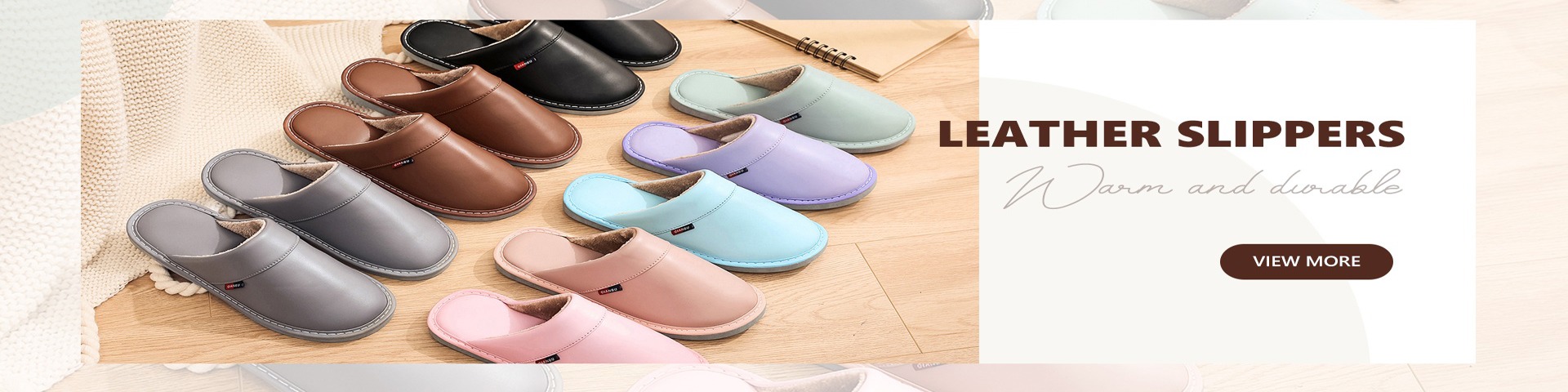
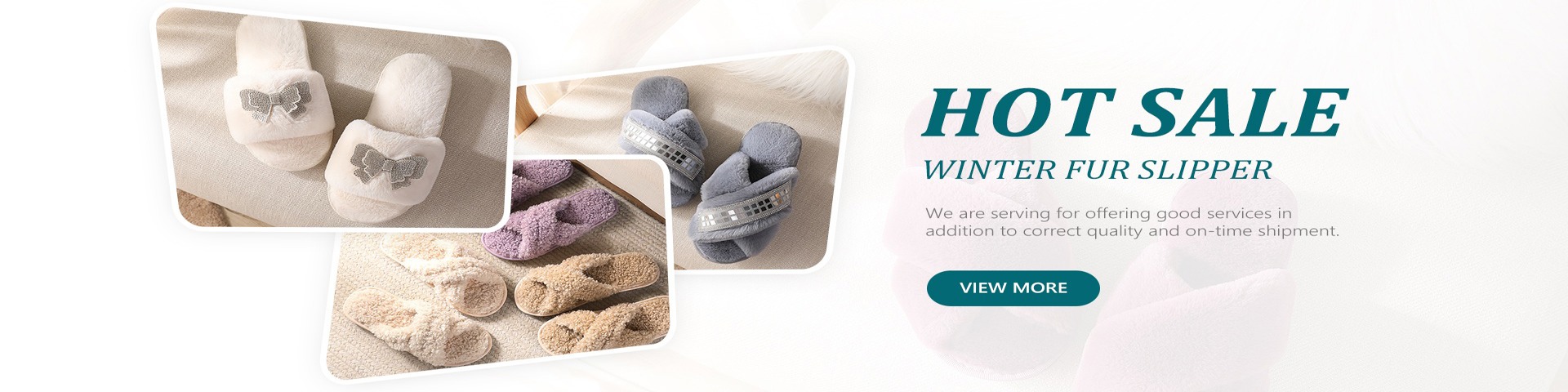
В современной индустрии гостеприимства каждая деталь имеет значение для создания незабываемого опыта для гостей. Одним из таких, казалось бы, незначительных, но крайне важных элементов являются тапочки, предоставляемые отелями. Они не только обеспечивают комфорт и гигиену, но и служат символом заботы о благополучии клиентов. В этой статье мы глубоко исследуем, как правильный выбор тапочек может существенно повысить уровень комфорта в отеле, рассмотрим ключевые факторы выбора, такие как материалы, дизайн, стоимость и экологичность, и предложим практические рекомендации для отельеров, стремящихся улучшить свои услуги.
Введение: Почему тапочки так важны в гостиничном бизнесе
Гостиничный бизнес строится на принципах гостеприимства, где комфорт и удовлетворенность клиентов являются краеугольными камнями успеха. Тапочки, хотя и кажутся мелочью, играют crucial роль в этом контексте. Они предоставляются гостям сразу upon arrival, создавая первое впечатление о уровне заботы отеля. Исследования показывают, что детали like this can influence overall guest satisfaction by up to 15%. For example, a study by Hospitality Net in 2022 revealed that guests who received high-quality slippers were 20% more likely to leave positive reviews and return for future stays. This underscores the importance of not overlooking this aspect of service.
Moreover, in the post-pandemic era, hygiene has become a top priority for travelers. Slippers offer a personal and sanitary alternative to walking barefoot or in shoes indoors, reducing the risk of infections and enhancing the sense of safety. By providing comfortable and clean slippers, hotels can demonstrate their commitment to guest well-being, which can lead to increased loyalty and word-of-mouth marketing. In fact, a survey by TripAdvisor indicated that 65% of travelers consider amenities like slippers when choosing a hotel, highlighting their impact on booking decisions.
Additionally, slippers contribute to the overall aesthetic and brand image of a hotel. They can be customized with logos or colors that align with the hotel's theme, reinforcing brand identity and creating a cohesive guest experience. For luxury hotels, offering premium slippers made from materials like memory foam or organic cotton can elevate the perception of exclusivity and attention to detail. Conversely, budget hotels can use slippers as a cost-effective way to add value and differentiate themselves from competitors. Thus, investing in the right slippers is not just about comfort; it's a strategic move that can drive revenue and enhance reputation.
Критерии выбора тапочек: Что учитывать при покупке
Выбор тапочек для гостей отеля требует тщательного рассмотрения нескольких ключевых критериев, чтобы обеспечить оптимальное сочетание комфорта, durability, and cost-effectiveness. Первый и, пожалуй, самый important factor is the material. Тапочки могут быть изготовлены из различных материалов, таких как хлопок, микрофибра, войлок, или even sustainable options like bamboo or recycled materials. Cotton slippers are soft, breathable, and hypoallergenic, making them ideal for guests with sensitive skin. However, they may wear out quickly if not of high quality. Microfiber slippers are durable and quick-drying, suitable for hotels with high turnover, but they might not feel as luxurious. Felt slippers offer excellent insulation and are eco-friendly, but they can be less comfortable for extended wear. Bamboo slippers are gaining popularity due to their antibacterial properties and sustainability, aligning with the growing demand for green initiatives in hospitality.
Another critical criterion is size and fit. Hotels should offer slippers in multiple sizes to accommodate different foot shapes and ensure a comfortable fit for all guests. Unisex designs are common, but some hotels may consider gender-specific options for added comfort. Additionally, the sole of the slipper is important; non-slip soles enhance safety, especially in bathrooms where floors can be wet. Memory foam insoles can provide extra cushioning, reducing fatigue and enhancing the overall comfort experience. For example, a study by the American Podiatric Medical Association found that proper footwear, including slippers with supportive soles, can prevent foot pain and improve sleep quality, which is crucial for travelers.
Cost is always a consideration in hotel operations. While premium slippers can be expensive, they may justify the investment through increased guest satisfaction and repeat business. Budget-friendly options are available, but hotels should avoid sacrificing quality for price, as cheap slippers can lead to discomfort and negative feedback. Bulk purchasing and negotiating with suppliers can help reduce costs. Furthermore, durability is key; slippers should withstand multiple uses if they are meant to be reused or disposed of after each stay. Eco-conscious hotels might opt for biodegradable or reusable slippers to minimize waste and appeal to environmentally aware guests.
Design and customization also play a role. Slippers can be branded with the hotel's logo or colors, enhancing brand recognition. The aesthetic should match the hotel's image—elegant for luxury properties, fun for family-friendly resorts, or minimalist for boutique hotels. Packaging is another aspect; individually wrapped slippers convey hygiene and thoughtfulness. Ultimately, the choice should be based on a balance of these factors, tailored to the hotel's target audience and operational needs. Conducting guest surveys or pilot tests can provide valuable insights into preferences and help make informed decisions.
Материалы для тапочек: Сравнение и рекомендации
Выбор материала для тапочек significantly impacts comfort, durability, and guest perception. Let's delve into the most common materials and their pros and cons. Хлопок is a popular choice due to its softness, breathability, and natural properties. It is hypoallergenic and comfortable for most people, making it ideal for hotels aiming for a universal appeal. However, cotton slippers can absorb moisture easily, which might lead to odors if not changed frequently. They are also less durable than synthetic options and may require replacement more often, increasing long-term costs. For high-end hotels, organic cotton slippers can be a premium option that appeals to health-conscious guests.
Микрофибра is a synthetic material known for its durability, quick-drying capabilities, and resistance to stains. It is often used in budget to mid-range hotels because it is cost-effective and can withstand multiple washes if reusable. Microfiber slippers are lightweight and provide good insulation, but they may not feel as soft or natural as cotton. Some guests might perceive them as less luxurious. To mitigate this, hotels can choose microfiber blends with added cushioning or anti-bacterial treatments to enhance comfort and hygiene.
Войлок, made from compressed wool or synthetic fibers, offers excellent warmth and eco-friendliness. It is biodegradable and provides good support, making it suitable for colder climates or hotels emphasizing sustainability. However, felt slippers can be rough on the skin and may not be as comfortable for extended wear. They are also more expensive than other materials. Bamboo slippers are an emerging trend; bamboo viscose is soft, antibacterial, and sustainable, as bamboo grows quickly and requires fewer resources. These slippers are ideal for hotels targeting eco-conscious travelers, though they come at a higher price point.
Other materials include terry cloth, which is absorbent and comfortable, often used in spa settings, and memory foam, which offers superior comfort by molding to the foot shape. For recommendations, hotels should consider their clientele: luxury hotels might opt for cotton or bamboo with memory foam insoles, while economy hotels could choose microfiber for durability. Always prioritize materials that are easy to clean and maintain, especially post-pandemic. Testing samples with focus groups can help determine the best fit for specific hotel needs.
Дизайн и эстетика: Как тапочки влияют на восприятие отеля
Дизайн тапочек goes beyond mere functionality; it contributes to the overall guest experience and brand image. Well-designed slippers can make guests feel valued and enhance their perception of the hotel's quality. For instance, slippers with a sleek, modern design can complement a contemporary hotel's decor, while rustic, handmade-looking slippers might suit a boutique or eco-lodge. Color choices are important; neutral tones like white or beige convey cleanliness and sophistication, whereas bright colors can add a fun, energetic vibe appropriate for resorts or family hotels.
Customization is a powerful tool for branding. Embroidering the hotel's logo on the slippers not only promotes brand recognition but also makes the slippers feel exclusive and personalized. This can encourage guests to take them home as a souvenir, extending the brand's reach. However, over-branding should be avoided; it might come across as tacky. The packaging also matters—individually wrapped slippers in elegant packaging signal hygiene and attention to detail, which is particularly important in today's health-conscious environment.
Ergonomics and practicality are part of design too. Slippers should be easy to put on and take off, with features like elasticated bands or open backs for convenience. Non-slip soles are essential for safety, reducing the risk of accidents in rooms and bathrooms. Additionally, considering cultural preferences is crucial; in some regions, guests might prefer slip-on styles, while in others, closed-toe designs are favored for warmth. Hotels can use design to differentiate themselves; for example, offering slippers with whimsical patterns for children in family suites can enhance the family-friendly image.
Ultimately, the design should align with the hotel's overall theme and target audience. Conducting market research or A/B testing different designs can provide insights into what resonates best with guests. Investing in good design might incur higher upfront costs, but it can lead to increased guest satisfaction, positive reviews, and ultimately, higher occupancy rates. Remember, in the hospitality industry, every touchpoint counts, and slippers are a subtle yet impactful way to leave a lasting impression.
Стоимость и бюджет: Экономические аспекты выбора
Управление затратами является vital for hotels, and the choice of slippers involves balancing quality with budget constraints. The cost of slippers can vary widely based on material, customization, and quantity purchased. Basic disposable slippers made of low-quality materials might cost as little as $0.50 per pair, while premium reusable slippers with memory foam and branding can exceed $5 per pair. For a 100-room hotel with an average occupancy rate of 70%, this translates to an annual cost of several thousand dollars, making it essential to optimize spending.
To manage costs effectively, hotels should consider bulk purchasing, which often comes with discounts from suppliers. Negotiating long-term contracts can also reduce prices. However, cheaper options might lead to higher replacement rates if they wear out quickly, so calculating the cost per use is important. For example, reusable slippers that can be laundered and used multiple times might have a higher initial cost but lower long-term expense compared to disposables. Hotels should also factor in hidden costs like storage, laundry (if reusable), and waste disposal for disposables.
Another economic aspect is the return on investment (ROI). High-quality slippers can enhance guest satisfaction, leading to repeat business and positive reviews, which indirectly boost revenue. Studies show that a 1% increase in guest satisfaction can result in a 1.5% increase in revenue per available room (RevPAR). Therefore, investing in better slippers might be justified from a financial perspective. Additionally, eco-friendly slippers, though potentially more expensive, can attract a niche market willing to pay premium prices, aligning with trends in sustainable tourism.
Hotels should also explore alternative funding options, such as including slipper costs in the room rate or offering them as an optional paid amenity for budget-conscious operations. Regularly reviewing supplier options and staying updated on market trends can help identify cost-effective solutions without compromising quality. Ultimately, a strategic approach to budgeting for slippers involves weighing upfront costs against potential benefits in guest experience and operational efficiency.
Экологичность: Выбор экологичных тапочек для устойчивого развития
В современном мире sustainability is no longer a niche concern but a mainstream expectation in hospitality. Guests are increasingly aware of environmental issues and prefer hotels that demonstrate eco-friendly practices. Choosing sustainable slippers can enhance a hotel's green credentials and appeal to this growing demographic. Eco-friendly slippers are typically made from renewable, biodegradable, or recycled materials, such as organic cotton, bamboo, felt, or even materials derived from ocean plastic. These options reduce the environmental footprint compared to conventional synthetic slippers.
For example, bamboo slippers are highly sustainable because bamboo grows rapidly without pesticides and requires less water than cotton. They are also naturally antibacterial, reducing the need for chemical treatments. Organic cotton slippers, while similar to conventional cotton, are grown without synthetic fertilizers, making them better for the soil and water systems. Felt slippers, often made from wool, are biodegradable and provide a natural, warm option. Some innovations include slippers made from recycled PET bottles, which help reduce plastic waste.
In addition to material choice, hotels should consider the lifecycle of the slippers. Disposable slippers contribute to landfill waste, so opting for reusable slippers that can be laundered and used multiple times is more sustainable. However, this requires investment in laundry facilities and water usage, so hotels need to balance environmental impact with practical considerations. Offering a take-home option where guests can keep the slippers encourages reuse beyond their stay, reducing waste.
Certifications like Global Organic Textile Standard (GOTS) or OEKO-TEX can help hotels verify the sustainability of their slippers. Communicating these efforts to guests through in-room literature or websites can boost brand image and attract eco-conscious travelers. While sustainable slippers might be more expensive initially, they can lead to long-term savings through improved guest loyalty and potential tax incentives for green initiatives. Hotels should view this not as a cost but as an investment in future-proofing their business and contributing to planetary health.
Практические советы для отельеров: Как внедрить и оптимизировать
Implementing an effective slipper program requires careful planning and execution. Here are practical tips for hoteliers to ensure success. First, conduct thorough research on guest demographics and preferences. Survey current guests or analyze feedback from platforms like TripAdvisor to understand what type of slippers are most appreciated. For instance, business travelers might prefer lightweight, packable slippers, while度假者 might value comfort and warmth.
Next, establish a reliable supply chain. Work with reputable suppliers who can provide consistent quality and timely delivery. Consider ordering samples to test durability, comfort, and aesthetic appeal before making bulk purchases. Negotiate terms that include flexibility for returns or exchanges if the product doesn't meet expectations. For customization, allow lead time for logo embroidery or packaging design.
Training staff is crucial. Ensure that housekeeping teams are instructed on how to handle slippers—whether to replace them daily, launder reusable ones, or dispose of them properly. Hygiene protocols should be strictly followed, especially post-pandemic. Use sealed packaging for disposables to assure guests of cleanliness. For reusable slippers, implement a robust laundering system with eco-friendly detergents to maintain quality and sustainability.
Monitor and evaluate the program regularly. Track guest feedback specifically related to slippers through comment cards or online reviews. Measure key performance indicators such as guest satisfaction scores and repeat visit rates to assess the impact. Adjust the strategy as needed; for example, if costs are high, consider alternative materials or suppliers. Additionally, promote the slipper amenity in marketing materials to highlight the hotel's commitment to comfort, which can differentiate it from competitors.
Finally, consider innovation. Stay updated on trends, such as smart slippers with sensors for comfort monitoring or partnerships with local artisans for unique designs. By continuously improving the slipper offering, hotels can enhance the guest experience and stay ahead in the competitive hospitality landscape.
Заключение: Итоги и будущие тенденции
В заключение, выбор тапочек для гостей отеля—это не merely a logistical decision but a strategic one that significantly impacts guest comfort, satisfaction, and overall hotel performance. By focusing on key factors like material quality, design, cost-effectiveness, and sustainability, hotels can elevate their service offering and create a memorable experience for guests. The insights shared in this article underscore the importance of this often-overlooked amenity and provide a roadmap for hoteliers to make informed choices.
Looking ahead, future trends in hospitality will likely emphasize personalization and technology. We might see the rise of smart slippers that integrate with hotel apps to customize comfort settings or monitor guest well-being. Sustainability will continue to be a driving force, with innovations in biodegradable materials and circular economy models where slippers are recycled or upcycled. Additionally, as travel preferences evolve, hotels may offer more diverse slipper options tailored to specific needs, such as orthopedic support for older guests or playful designs for families.
Ultimately, investing in high-quality slippers is an investment in guest loyalty and brand reputation. By prioritizing comfort and attention to detail, hotels can not only meet but exceed guest expectations, fostering long-term relationships and driving business growth. As the hospitality industry continues to recover and adapt, small touches like comfortable slippers will remain a powerful tool for differentiation and success.
Спасибо за внимание к этой важной теме. Надеемся, эта статья вдохновит вас на совершенствование услуг вашего отеля и повышение комфорта для гостей.