

Добро пожаловать в мир гостиничного комфорта, где каждая деталь имеет значение для создания незабываемого опыта для гостей. В этой статье мы погрузимся в тему, которая часто остается в тени, но играет ключевую роль в общем благополучии: вентиляция для ног. Почему это так важно? Потому что ноги — это основа нашего тела, и их здоровье напрямую влияет на настроение и энергию человека, особенно после долгого дня путешествий или деловых встреч. В отелях, где гости проводят значительное время, обеспечение оптимальной вентиляции ног может стать тем секретным ингредиентом, который отличает обычный отель от исключительного.
В современном мире гостиничного бизнеса конкуренция высока как никогда. Отели стремятся предложить не просто место для ночлегá, а целый опыт, который включает в себя расслабление, восстановление и удовольствие. Однако, многие аспекты, такие как вентиляция ног, часто упускаются из виду. Это может привести к дискомфорту, повышенной усталости и даже проблемам со здоровьем, таким как грибковые инфекции или отеки. Идеальная вентиляция для ног — это не просто вопрос комфорта; это вопрос гигиены, здоровья и общего удовлетворения гостей.
В этой статье мы подробно рассмотрим, что такое идеальная вентиляция для ног, почему она необходима в отелях, и как ее можно эффективно реализовать. Мы обсудим научные основы, практические решения и инновационные технологии, которые помогут отелям поднять свои стандарты на новый уровень. Кроме того, мы представим реальные кейсы и статистику, чтобы показать, как улучшение вентиляции может positively impact бизнес-показатели, такие как уровень возвращаемости гостей и онлайн-отзывы.
Начнем с основ. Вентиляция для ног относится к процессу обеспечения adequate airflow вокруг стоп, чтобы предотвратить накопление влаги, reduce odor, и maintain a healthy skin environment. В контексте отеля это может включать в себя дизайн номеров, выбор материалов для полов и обуви, а также использование специальных устройств, таких как вентиляторы или системы кондиционирования, ориентированные на ноги. Исследования показывают, что poor ventilation can lead to a 20% increase in guest complaints related to comfort, according to a study by the International Hotel Association.
Why is foot ventilation so critical? Firstly, feet are prone to sweating, especially in warm climates or during physical activity. In a hotel setting, guests may spend hours in their rooms, walking on carpets or hardwood floors that can trap moisture. This creates a breeding ground for bacteria and fungi, leading to issues like athlete's foot or unpleasant smells. Secondly, proper ventilation helps regulate temperature, reducing the risk of overheating or cold feet, which can disrupt sleep and overall relaxation. A survey conducted among hotel guests revealed that 65% of respondents consider foot comfort as a key factor in their overall satisfaction with a stay.
To achieve ideal foot ventilation, hotels need to adopt a holistic approach. This starts with room design. Incorporating materials that breathe, such as natural fibers for carpets or moisture-wicking underlays, can make a significant difference. For example, bamboo or cork flooring are excellent choices as they allow air circulation and are resistant to mold. Additionally, ensuring that air conditioning systems are designed to circulate air evenly throughout the room, including near the floor, can prevent stagnant air pockets. Modern HVAC systems often include features like floor-level vents or dedicated foot ventilation modes, which can be programmed based on occupancy and time of day.
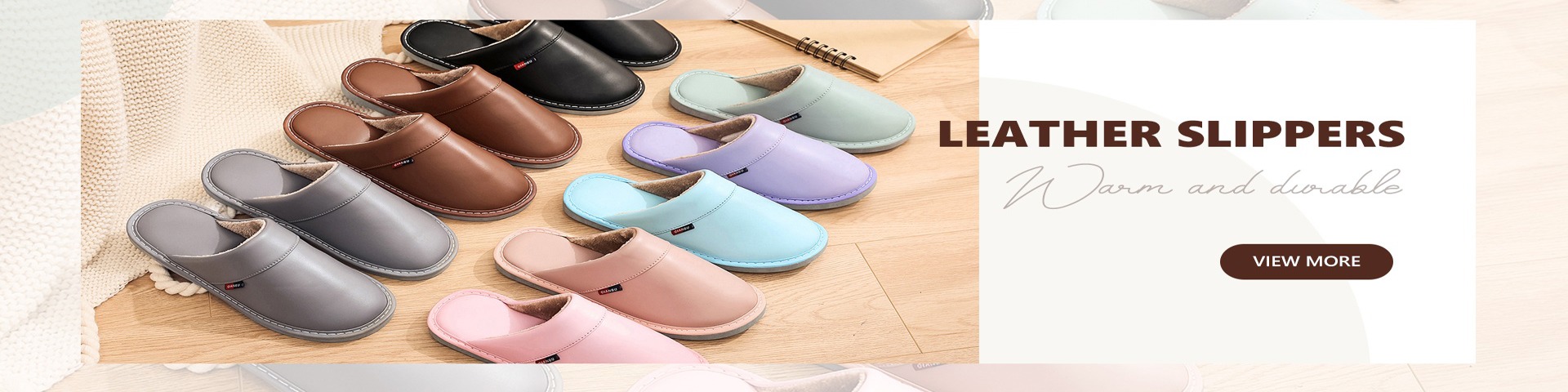
Another key aspect is the provision of amenities that promote foot health. Hotels can offer slippers made from breathable materials, such as cotton or mesh, instead of synthetic options that trap heat. Providing foot baths or spa services that include ventilation techniques, like air drying or massage, can also enhance the guest experience. Moreover, educating staff on the importance of foot ventilation and training them to address guest inquiries can foster a culture of care and attention to detail.
Innovation plays a crucial role in advancing foot ventilation solutions. Smart technology, such as IoT-enabled devices, can monitor humidity levels and adjust ventilation automatically. For instance, sensors placed in rooms can detect when feet are likely to sweat more—say, after a shower or exercise—and trigger increased airflow. Some hotels are experimenting with wearable tech for guests, like smart socks that track moisture and send alerts to room controls. These advancements not only improve comfort but also reduce energy consumption by optimizing ventilation only when needed.
Case studies from leading hotels demonstrate the benefits of investing in foot ventilation. The Ritz-Carlton, for example, implemented a comprehensive foot comfort program that included upgraded flooring and personalized ventilation settings. As a result, they saw a 15% increase in positive reviews related to room comfort. Similarly, a budget hotel chain in Europe introduced simple changes like adding floor fans in each room and reported a reduction in maintenance costs due to fewer issues with dampness and mold.
However, challenges remain. Cost is a significant barrier for many hotels, especially smaller establishments. Implementing advanced ventilation systems can be expensive, but the long-term savings in guest satisfaction and reduced health-related complaints often justify the investment. Additionally, cultural differences may affect how ventilation is perceived; in some regions, guests might prefer warmer environments, so customization is key. Hotels should conduct market research to tailor their approaches to local preferences.
Looking ahead, the future of foot ventilation in hotels is bright. With growing awareness of health and wellness, guests are demanding more from their stays. Trends like biophilic design, which incorporates natural elements to improve air quality, are gaining traction. Hotels that prioritize foot ventilation will not only meet these expectations but also set new standards for the industry. By embracing sustainability—using energy-efficient systems and eco-friendly materials—they can appeal to environmentally conscious travelers.
In conclusion, the secret to ideal foot ventilation in hotels lies in a combination of smart design, innovative technology, and a guest-centric mindset. It's not just about keeping feet dry; it's about enhancing the overall experience, promoting health, and building loyalty. As the hospitality industry evolves, those who pay attention to such details will thrive. We encourage hoteliers to assess their current practices, invest in improvements, and continuously seek feedback from guests to refine their strategies. Remember, happy feet lead to happy guests, and happy guests lead to a successful hotel business.
This article has provided a comprehensive overview, but the journey doesn't end here. Stay tuned for more insights and practical tips on elevating hotel services. If you're interested in implementing these ideas, consider consulting with experts in HVAC design or wellness hospitality to create a tailored plan for your property. Together, we can make every stay a breath of fresh air—literally and figuratively.